Community Engagement
"Never doubt that a small group of thoughtful, committed citizens can change the world; indeed, it's the only thing that ever has."
- Margaret Mead
In any democracy, the voice of the people speaks loud and clear. When the people participate, the community succeeds. Which is why engaging community members in the conversations that directly impact their lives is a sure way to guarantee upward mobility for everyone in a city, county, state, or nation. Whether we’re talking about bus routes, banking, neighborhood gardens, or voting rights, ensuring that the people’s voices bookend the conversation and inform every piece in between.
Community engagement clients can expect the following:
Recruitment - recruitment of full team based on recommendations provided by the client.
Training - comprehensive and regular training of entire community engagement team specific to campaign and compliance requirements.
Scheduling - cross platform scheduling, including Tier 1, 2 & 3 backup schedules per shift.
Reporting - Detailed daily, weekly, quarterly, mid point, and end of campaign reports drafted as agreed upon.
Support - all teams are supported prior to, during, and after shift as well as over the course of the campaign.
Community engagement campaigns include:
1. Issue-based Informational Campaigns - constitutional rights, neighborhood improvements, changes to services, etc.
2. Political Campaigns - candidate campaigns, policy implementation, ballot recommendations, etc.
3. Advocacy Campaigns - social justice campaigns including reproductive justice, LGBTQ+ rights, immigrant rights, racial equity, etc.
4. Research Campaigns - surveys, data collection, in-depth interviews, etc.
Community Safety
Safety doesn’t happen by accident.” - Author unknown
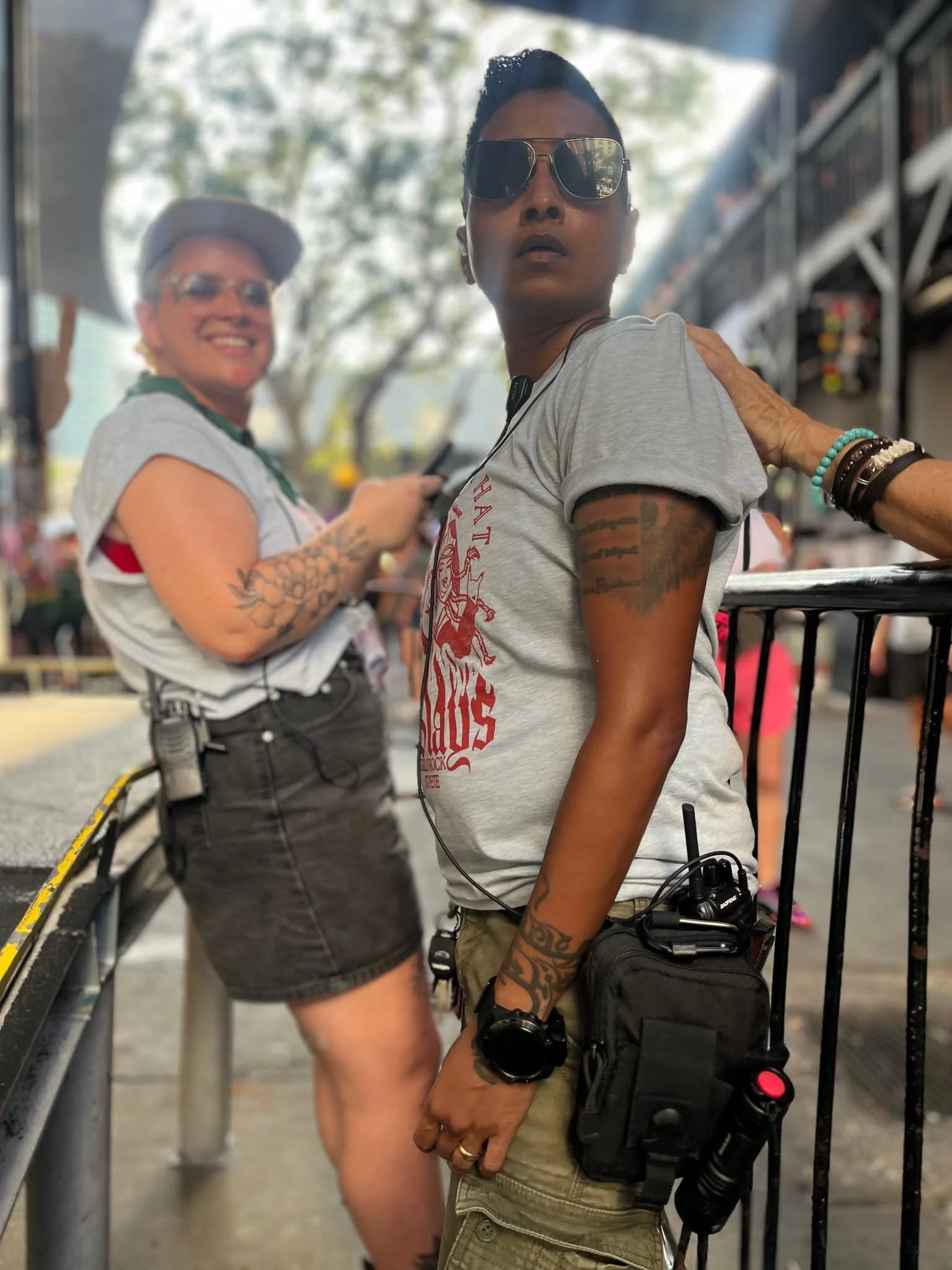
We are seeing a gradual shift in what community safety looks like. From Pride celebrations to youth events to healthcare clinics, organizations are beginning to adopt a more community centered approach that focuses on trust and de-escalation. Neighbors are restructuring neighborhood watches, communities are instituting skill shares, and people are spending their weekends learning the basics of situational awareness to keep their families, friends, and loved ones safe.
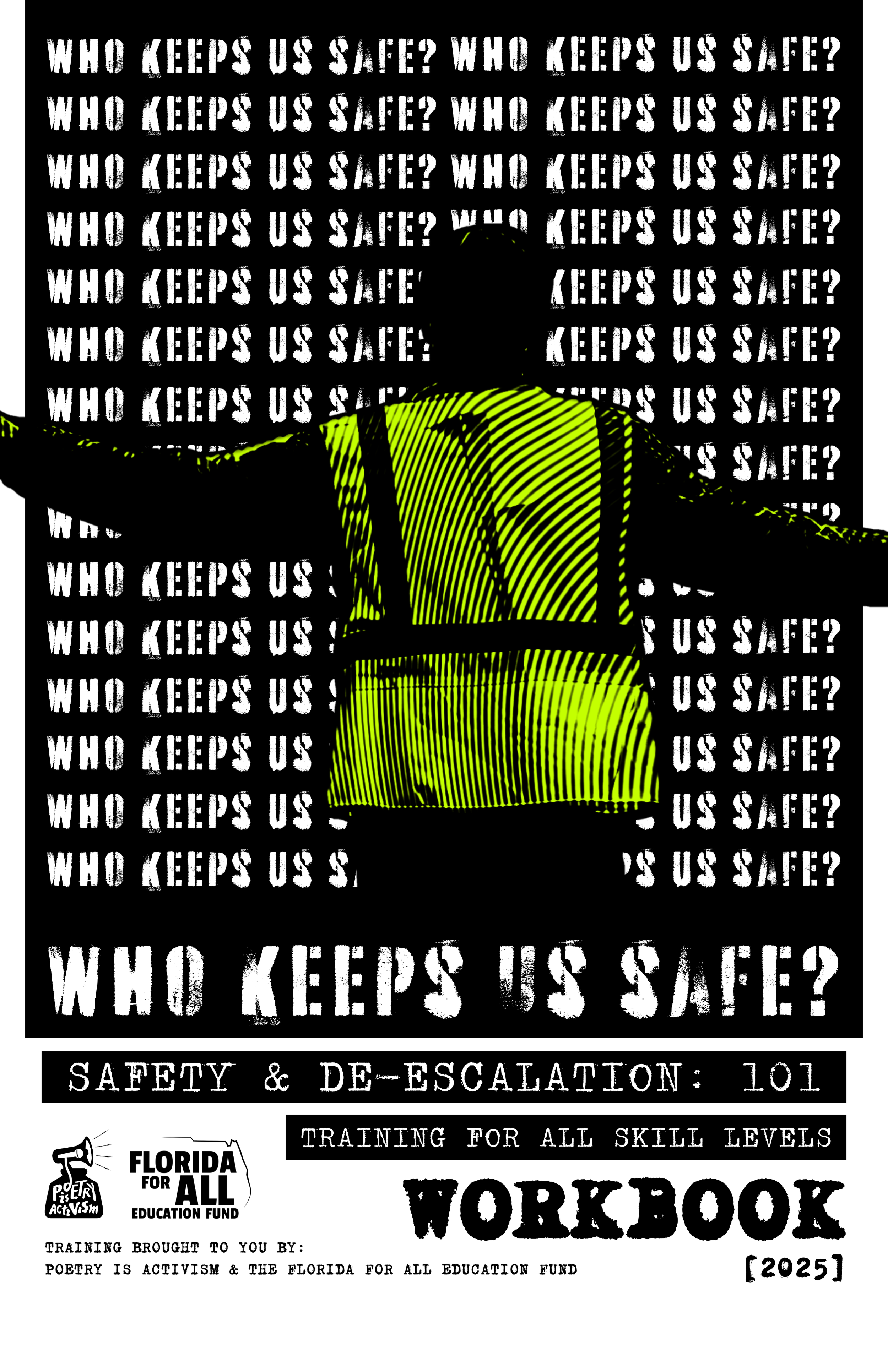
The everyday individual is realizing that when the world is hit by pandemics and natural disasters, the people around us is who we rely on. To help build a mutual aid strategy to support community-led safety, we have designed a comprehensive and accessible series of de-escalation trainings, plans, and safety protocol for every potential scenario. At the end of every training, it is our hope that attendees feel a little more self-aware and a little less unsure about where to begin.